
From the Ash: Part One
The first of a four part series from Sicily's Etna wine region

From virtually any angle in the entire region, one can easily observe a ribbon of smoke unfurling from the top of Mt. Etna - the centerpiece of one of Italy’s most lauded wine regions. There is no other evidence of the angry heat churning deep in the belly of the Earth - just this delicate streamer of plume twisting in and out of itself as it climbs into space.
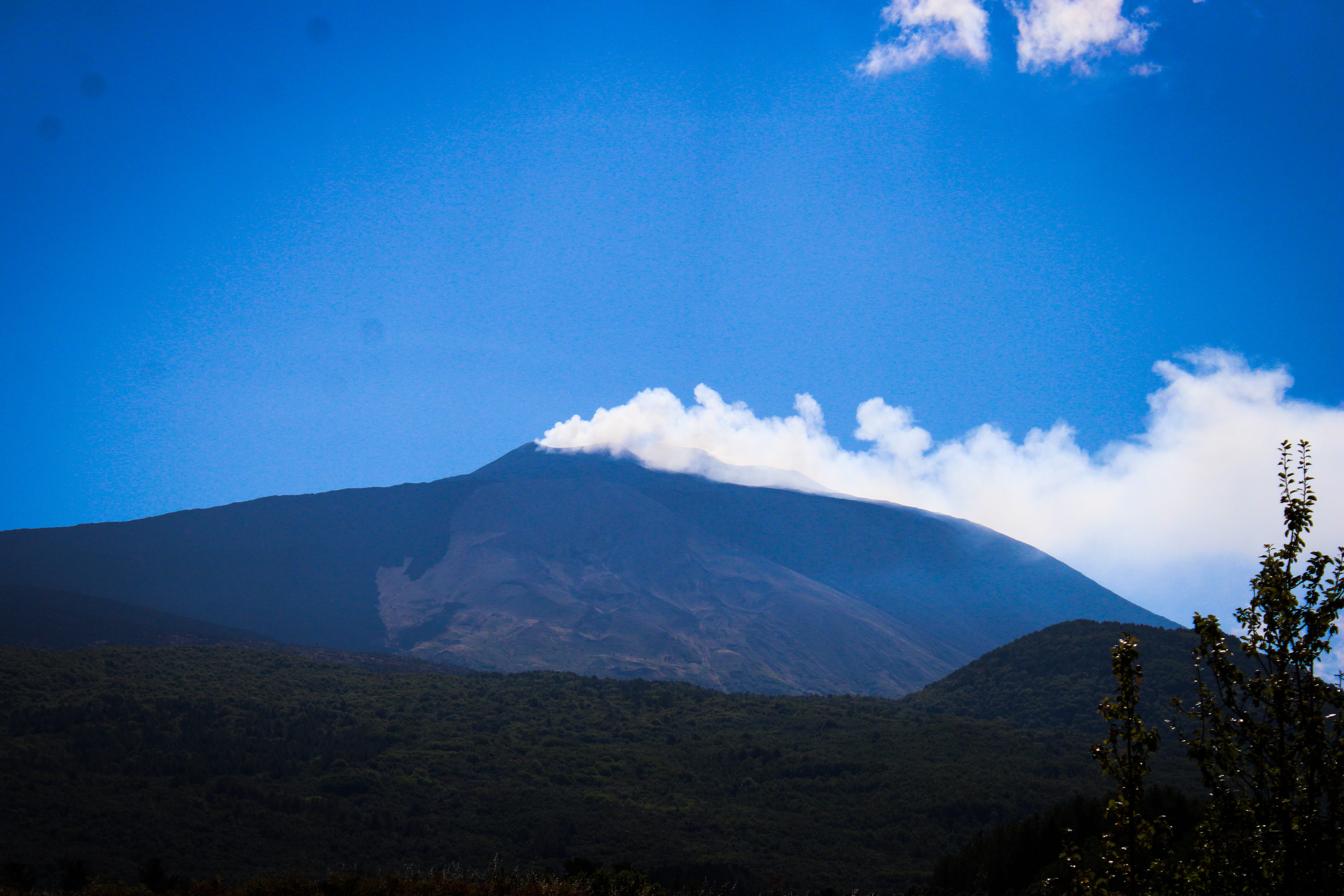
By the time I arrive at the base of this volcano, pendulous bunches of grapes are full and plump. Just a single week stands between them and a gentle harvest, provided the conditions remain hot and dry. I’m here to join 70 other journalists, influencers, and bloggers from all over the world for Etna Days - the region’s annual showcase of the vineyards, wines, and winemakers of this craggy, charismatic terrain.
Mt. Etna, Europe’s tallest and most active volcano, is rimmed with antiquity. Fractions of timeworn structures still stand, having survived generations of legacy and lava. The landscape bursts with lush green flora - dusty green cacti, silvery flickers of olive trees, tall swaying palms, and, of course, grape vines; all proof of the nutrients packed into this rugged, ancient land. In Etna’s most promising hectares, one finds labyrinths of vines, mostly Nerello Mascalese and Carricante—the twin jewels of Etna wine - incubating bunches of grapes in the Sicilian sun. These vines, including many pre-Phylloxera growths (the high silica content in volcano ash is one among many characteristics that protected some of the vines from the destructive louse in the late 1800’s), have burrowed deep into the crust over hundreds of years to extract a distinct portfolio of flavors and aromas that only a volcano with this history can provide. A volcano and 120 microclimates. A volcano, 120 microclimates, and a fierce commitment to quality expressions of this once-overlooked region.
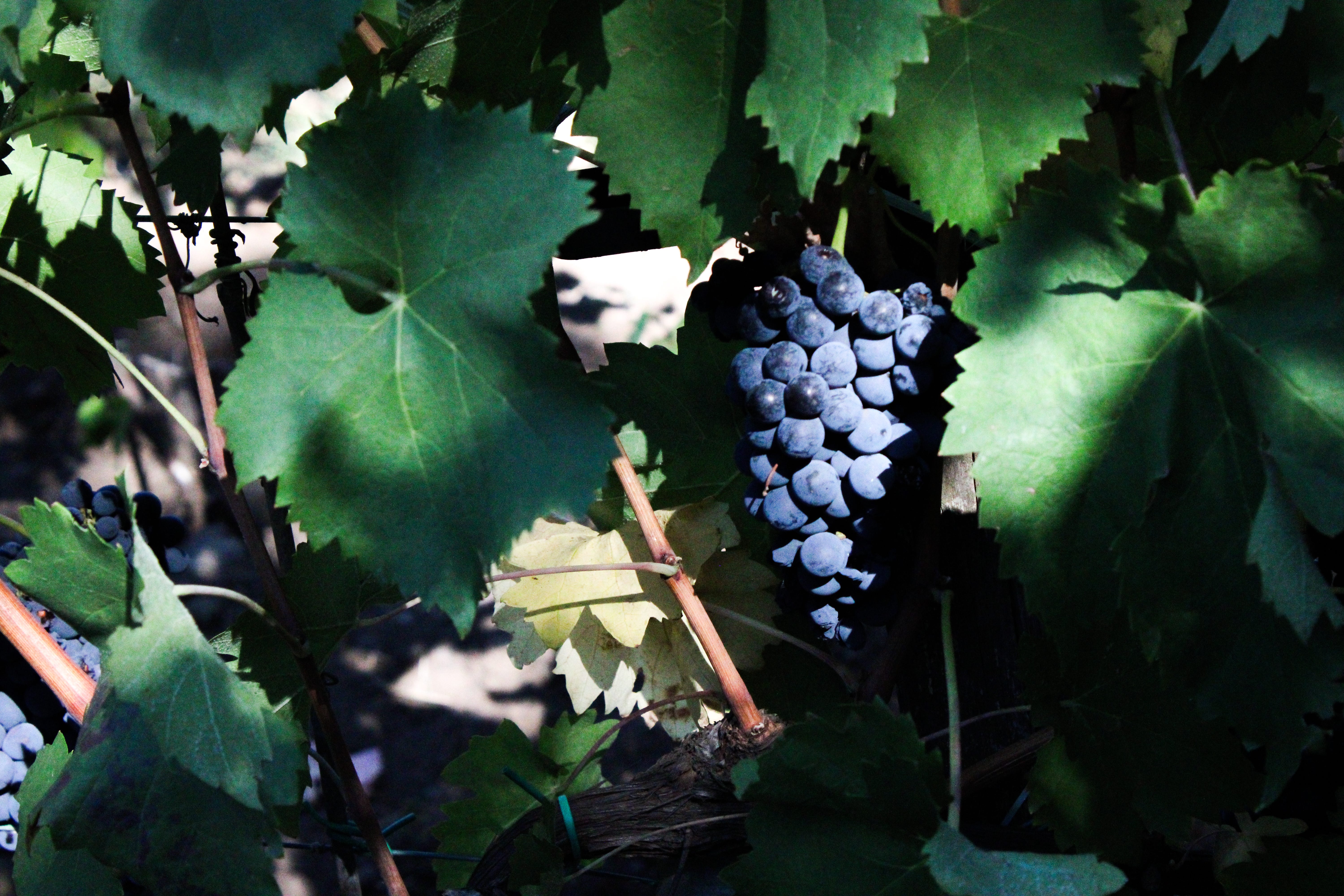
It has taken literal centuries for the wines of Etna to achieve the status and reputation they currently enjoy. The region’s winemaking history reaches back into the eighth century, when Greece colonized Sicily, but the flavor profiles proved difficult for mainstream palates for some time. Once the region became an official DOC in 1968, it set the stage for significant local and international investment from pioneers like Giuseppe Benanti and Marco di Grazia. Benanti, who established Tenuta di Castiglione in 1988, was one of the first to elevate volcanic wines into the worldwide market. Marco de Grazia, who founded Tenuta delle Terre Nere in 2002, focused his efforts on revitalizing ancient vineyards and cultivating Etna’s most prized indigenous grapes, catapulting the profile of the region’s wine from familiarity to fame. In the time since, numerous vineyards have emerged to capitalize on this pyroclastic terroir, further solidifying the region’s exceptional reputation. Some of these winemakers prefer the rich fullness that comes from the lower areas, while others take advantage of the mountain’s elevations to create more nuanced styles with higher acidity. Either way, Mt. Etna’s signature sapidity is etched into almost every wine that comes from its grounds.
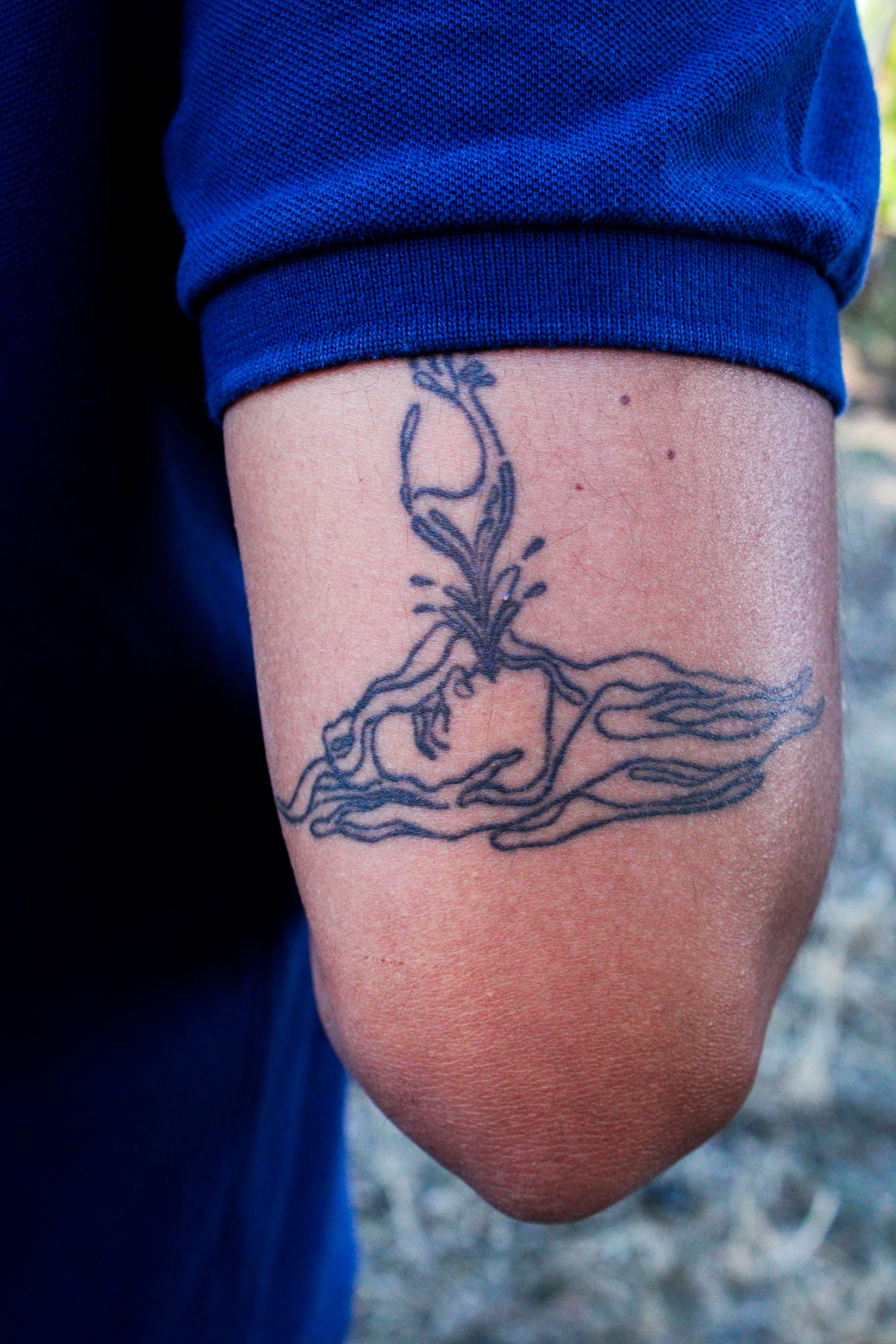
Over the next several weeks, I’ll be sharing some of my most poignant memories from my visit to this mythic place. Some of the stories will be about the wine, while others will be about the hands that make it. I hope to breathe a second life into the handful of moments I collected during this five-day tour, and treat the stories I’ve been handed with the same gentle care with which they were given.
Huge thanks to Gran Via Media Relations and the Consorzio Etna DOC for the tours, and to every winemaker who welcomed us onto their land and into their facility.
Next week: “The Table is a Culture” featuring Cantine La Contea.